March 2026 • Reports
2025 Fall Event Report
The 2025 Palix Foundation Symposium brought together 155 experts, decision-makers, and community leaders to accelerate the alignment of science,…
You are currently using a browser that is no longer supported, and may contain security vulnerabilities. To get the best experience with www.albertafamilywellness.org, we suggest using a newer version of Internet Explorer/Edge or using another supported browser such as Google Chrome.
.. and over... and over again. But amid all the chaos, its citizens have found a way to make it through. Watch the latest video from AFWI—then dig into how AdverCitizens build resilience.
Visit AdverCity
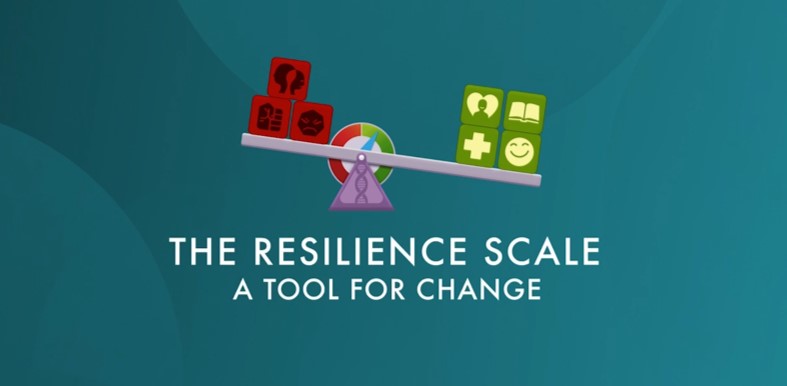
Access our new online training on resilience, presented by Teresa Killam, MEd MD CCFP FCFP, that reviews the key metaphors of the Brain Story with a focus on how the Resilience Scale metaphor can be used as a practical tool to assess and monitor resilience in individuals. Get started today!
Read MoreIn this video, Superintendent Mike McCauley of the Alberta Royal Canadian Mounted Police shares his personal story through the lens of the Resilience Scale, a core concept of the Brain Story by the Alberta Family Wellness Initiative. He illustrates how positive supports in his life helped buffer the adversities he faced, strengthening his capacity for resilience throughout his life. Mike's story depicts how potential sources of toxic stress can be buffered to tolerable stress.
Watch the Video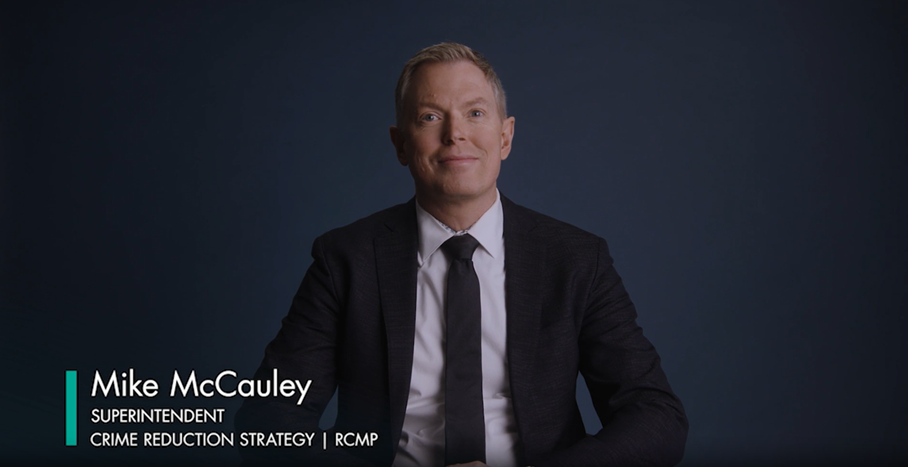

Discover the science behind mental health, addiction, and resilience. Free and self-paced.

The Alberta Family Wellness Initiative (AFWI) shares the science of brain development to help families, communities, and systems support lifelong health and well-being.

Explore the Brain Story Toolkit: Our collection of the most-used resources to support learning, sharing, and real-world impact.

Science tells us that the experiences we have in the earliest years of our lives actually change our brain architecture in lasting ways. That has consequences – positive and negative – across the lifespan for our physical and mental health.
Learn More
The AFWI mobilizes knowledge about early brain development and its connection to lifelong physical and mental health. We form the bridge between the latest scientific knowledge about brain development and what is actually done in policy and practice.
Learn MoreThe AFWI is an initiative of the Palix Foundation. We operate and develop resources under the expert oversight of a cross-disciplinary group of advisors who comprise the AFWI Advisory Council and the Curriculum Committee.







The University of Oxford, in paid partnership with the Alberta Family Wellness Initiative is working to share knowledge about the science of brain development for families and professionals.
Visit SiteIn 2023, the Palix Foundation and the Alberta Family Wellness Initiative (AFWI) set in motion the Resilience Scale Framework, a three-part approach to applying the Resilience Scale at the level of individuals, organizations, and systems. The Resilience Scale Framework is communicated in a series of three reports prepared by the AFWI.
The 2025 Palix Foundation Symposium brought together 155 experts, decision-makers, and community leaders to accelerate the alignment of science,…
Obsessive-compulsive disorder (OCD) is a common and impairing mental health condition that affects between 1-2% of the general population. OCD involves obsessions (recurring and unwanted thoughts) and compulsions (repetitive behaviors)
Using the Brain Story to Understand and Support Vulnerable Patient Populations with Complex Needs Dr. Francesco Mosaico, MD, CCFP (AM), Medical Director, Boyle McCauley Health Centre and Edmonton Isolation Facility, Assistant Clinical Professor, Faculty of Medicine and Dentistry, University of Alberta Dr. Serena Jenkins, PhD, Scientific Associate, Palix Foundation Anita* was referred to the Boyle McCauley Health Centre (BMHC) in Edmonton.